What is a publishing imprint? Imprint vs publisher, explained
An imprint is the name a book is published under. It sits on the spine, in the ISBN record and in the catalog data the trade orders from, so it is worth knowing whose name it is.
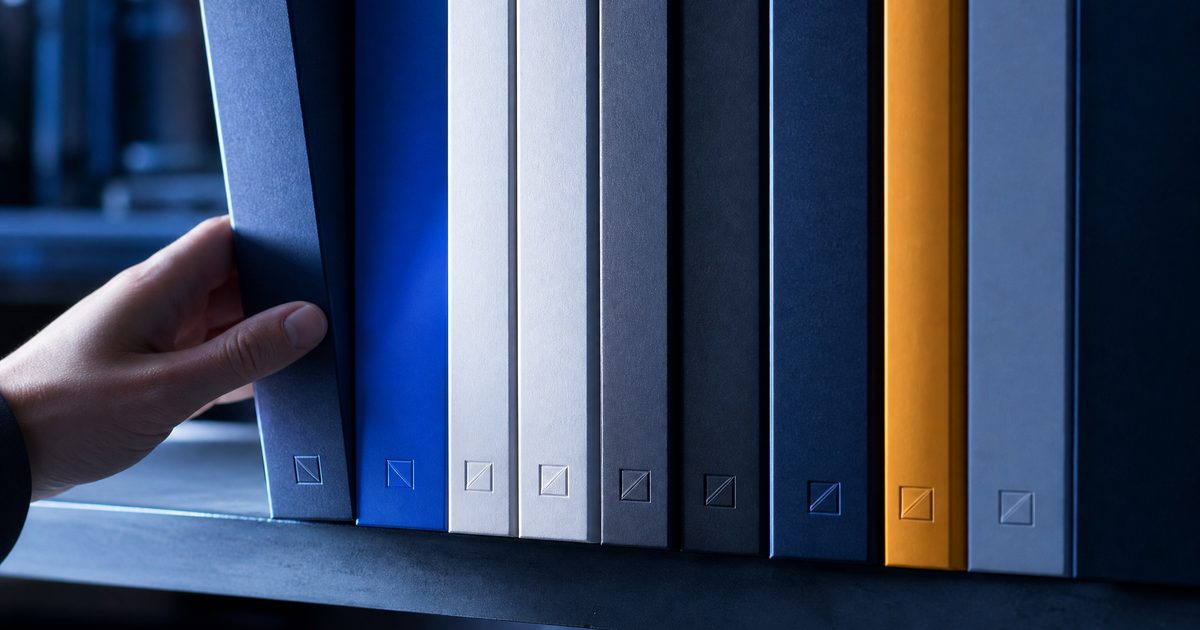
What is an imprint? In publishing, an imprint is the trade name under which a publisher issues books. It appears on the spine and the title page, and, more importantly, in the ISBN record and the catalog data that wholesalers, bookstores and libraries work with. The publisher is the company behind it, legally responsible for the book and the owner of its ISBN.
For self-published authors the question is practical: if you buy your own ISBNs, you have to name an imprint; if you use a free ISBN or publish with a house, someone else's name goes into the record. This guide explains the difference, where the imprint shows up, what starting your own takes, and what changes when you publish under an existing publishing imprint.
What is an imprint in publishing?
An imprint is a brand name under which a publisher releases books. KDP puts it in one line: the imprint is "the name of the publisher associated with your book's ISBN".
Large houses run many imprints, each with its own list and editorial direction. Penguin Random House describes itself as "the international home to more than 300 editorially and creatively independent publishing imprints", among them Knopf, Doubleday, Viking and Riverhead. A reader sees the imprint on the spine; the company that owns the ISBNs, signs the contracts and gets paid by the trade is the publisher.
For a small or one-person publisher, imprint and publisher are often the same name. A self-published author who buys ISBNs and registers a press name with the ISBN agency is both: the author is the publisher, and the press name is the imprint the trade sees.
Imprint vs publisher vs brand
The publisher is the legal entity, the imprint is the name a book is marketed under, and a brand in the trademark sense is a name protected by registration. One company can have several imprints, and an imprint does not need to be a registered trademark.
- Publisher: the company or person responsible for the book, holder of the ISBN block, party to the contracts.
- Imprint: the name on the book and in the metadata, under which the publisher presents a line of titles.
- Brand or trademark: a legal protection for a name. Registering an imprint as a trademark is optional.
The ISBN itself reflects this. According to the International ISBN Agency, the registrant part of every ISBN "identifies the particular publisher or imprint". That is why an imprint is not just a design choice: it is tied to the number that identifies the book.
Where the imprint shows up: ISBN record and metadata
The imprint travels with the book wherever its data goes: into the ISBN agency's record, into the ONIX metadata that publishers send to the supply chain, and from there into wholesaler catalogs and retailer listings.
Three places matter most:
- The ISBN record. When you buy ISBNs from Bowker in the US, you register as publisher, and that name is what the ISBN database holds. KDP checks your entry against it: the imprint you type must match what is on file with the agency, case and spaces included, or the book cannot be published.
- ONIX metadata. ONIX is the standard format, maintained by EDItEUR, for communicating book information through the supply chain. Its publishing detail block carries the imprint and the publisher, and EDItEUR makes that group mandatory: either imprint or publisher detail, or both, must be sent. BookNet Canada adds the practical rule that "what's on the book and what's in the metadata should generally agree".
- The book itself. The imprint or publisher name usually appears on the spine, the title page and the copyright page.
If you use a free ISBN from KDP, the imprint field shows "Independently published", and you cannot change it. More on that in our guide to ISBNs for self-published books.
Why booksellers and libraries look at the publisher in the record
Bookstores and libraries mostly order from wholesaler catalogs, where each title appears with its ISBN, its publisher and its trade terms. The publisher name is one of the signals a buyer sees before deciding whether to order, alongside discount, returnability and the quality of the book.
What booksellers check is practical: a wholesale discount that leaves the store a margin, books marked returnable, availability through the wholesaler they already order from, an EAN barcode with a price, and production quality comparable to other books in the genre. None of these is the imprint name itself, but they all come with it: the record shows who stands behind the title.
The name matters in a quieter way, too. David Wogahn, writing for Jane Friedman, notes that some reviewers and booksellers look closely at imprints to see whether a book is self-published. A recognizable publisher or a professionally run imprint answers that question; a generic imprint leaves it open. For the full picture of how titles get into stores, see getting your book into bookstores.
How to start your own self-publishing imprint
Starting an imprint as a self-publisher takes a name, ISBNs registered in that name and, depending on where you live, a business name registration. In the US the main cost is the ISBN block: $295 for 10 ISBNs from Bowker as of October 2026.
| Step | What it involves | Cost (US, as of October 2026) |
|---|---|---|
| Choose a name | Search existing imprints and trademarks so you do not collide with another publisher | Free |
| Register a DBA if needed | A trade name registration with your state, county or city; most states require it if you trade under a name that is not your own | Set locally, varies by state |
| Buy ISBNs in the imprint's name | Register the imprint as publisher at your national agency (Bowker in the US) | 1 ISBN $125, 10 ISBNs $295, 100 ISBNs $575 |
| Set up your distributors | Enter the imprint exactly as registered at KDP or other platforms | Free to upload at KDP |
| Trademark (optional) | A federal trademark application for the imprint name | From $350 per class |
Sources: Bowker, SBA, USPTO, KDP Help. Outside the US, ISBNs come from your national agency, such as Nielsen in the UK.
A few practical notes. The SBA points out that registering a DBA "doesn't provide legal protection by itself"; that is what a trademark is for. Choose the name before you publish anything, because the imprint goes into the ISBN record and onto every distributor listing. And an imprint is a name, not a distribution channel: owning one does not by itself put your book into any catalog.
Publishing under an existing imprint
When you publish with an existing publisher, its name goes into the record and the ISBN comes from its block. You are the author; the house is the publisher of that edition, files the metadata, and deals with the trade.
That has consequences in both directions:
- You do not need a company, a DBA or your own ISBNs. The publisher handles the registration and the metadata.
- The ISBN belongs to the publisher. Under the ISBN rules, a change of publisher requires a new ISBN, so if you later publish the book elsewhere it becomes a new edition.
- The contract decides the rest: whether the rights are exclusive, how long they last, and how they come back to you.
Traditional publishers, hybrid publishers and platforms like ours all work this way; what differs is who pays and what you keep. Our comparison of hybrid publishing vs self-publishing sets out those differences.
How the imprint works at ShelfPublisher
At ShelfPublisher, Orbita Media GmbH, an international publishing house with more than 1,000 published titles, is the publisher in the record. Every book gets an ISBN from Orbita's block, with the publisher prefixes 978-3-69104 and 978-3-69296, and we report the metadata to the bibliographic directories of the chosen markets under our publisher name.
What this means for you:
- No imprint to set up. No DBA, no ISBN purchase, no metadata to file. You pay a fixed slot price, €35 for one book or down to €20 per book in the largest package, and the ISBN costs nothing extra. Your share is 30% of net revenue (what Orbita receives from the trade after the retailer's discount, the manufacturing cost of the copy and returns). For comparison, publishing on KDP is free, and a paperback earns 60% of the list price minus printing on Amazon, or 40% minus printing through Expanded Distribution.
- The record shows a publishing house, not a generic imprint, and the paperback is listed in the catalogs bookstores order from. Whether a store orders or stocks it is the store's decision, and there is no guarantee of sales.
- You remain the author and keep your copyright. You grant a non-exclusive right of use for the term of the contract, and all rights revert to you automatically when it ends.
- The ISBN stays with Orbita. During the contract you do not publish an identical edition with that ISBN elsewhere; after it ends, a new edition needs a new ISBN, your own or another publisher's.
What it is not: you do not get your own imprint name in the record, and we do not offer editing, cover design or marketing. If your own imprint is what you want, the steps above are the way. More about the publishing house is on about us, and the process is on how it works.
Publish under a publishing house's name
ShelfPublisher works by invitation, and a person reads every request. If you want your paperback published with Orbita Media as publisher in the record, request access. If the book is already published elsewhere, tell us in the request; we check it case by case.
Amazon, Kindle Direct Publishing and KDP are trademarks of Amazon.com, Inc. or its affiliates. Other names are trademarks of their respective owners. ShelfPublisher is not affiliated with them.
Questions about this article
What is an imprint in publishing?
An imprint is a brand name under which a publisher releases books. One publishing company can run many imprints; Penguin Random House, for example, describes itself as home to more than 300 imprints.
Is an imprint the same as a publisher?
Not quite. The publisher is the company that is responsible for the book and owns the ISBN. The imprint is the name presented to the market. For a one-person publisher the two are often the same name.
Do self-published authors need an imprint?
Only if you buy your own ISBNs, because the ISBN agency registers a publisher name with them. With a free ISBN from KDP the imprint shows as "Independently published", and you cannot enter your own.
How much does it cost to start a publishing imprint?
In the US the main cost is the ISBNs: $295 for 10 from Bowker as of October 2026. A DBA registration may be required depending on your state, with local fees; a federal trademark is optional and starts at $350 per class.
- KDP Help: What is an ISBN and Imprint? – imprint definition and matching rule; as of October 2026
- Penguin Random House: Imprints – more than 300 imprints; as of October 2026
- International ISBN Agency: What is an ISBN? – registrant element identifies the publisher or imprint
- EDItEUR: Introduction to ONIX for Books 3.0 (PDF) – Block 4, group P.19 imprint and publisher
- BookNet Canada: Imprint and Publisher Name, Opportunities in ONIX – 2019
- Bowker (Myidentifiers): Buy ISBNs – prices and publisher registration; as of October 2026
- Jane Friedman: Why Self-Publishing Authors Should Consider Establishing Their Own Imprint (David Wogahn) – steps for a self-publishing imprint
- U.S. Small Business Administration: Register your business – DBA registration; as of October 2026
- USPTO: How much does it cost? – base application fee per class; as of October 2026
- KDP Help: Paperback royalty – 60% / 40% minus printing costs; as of October 2026
- KDP Help: Expanded Distribution – booksellers and libraries buy from large distributors; as of October 2026